Veterinary acupuncture for horses · Lommedalen
Equine Acupuncture
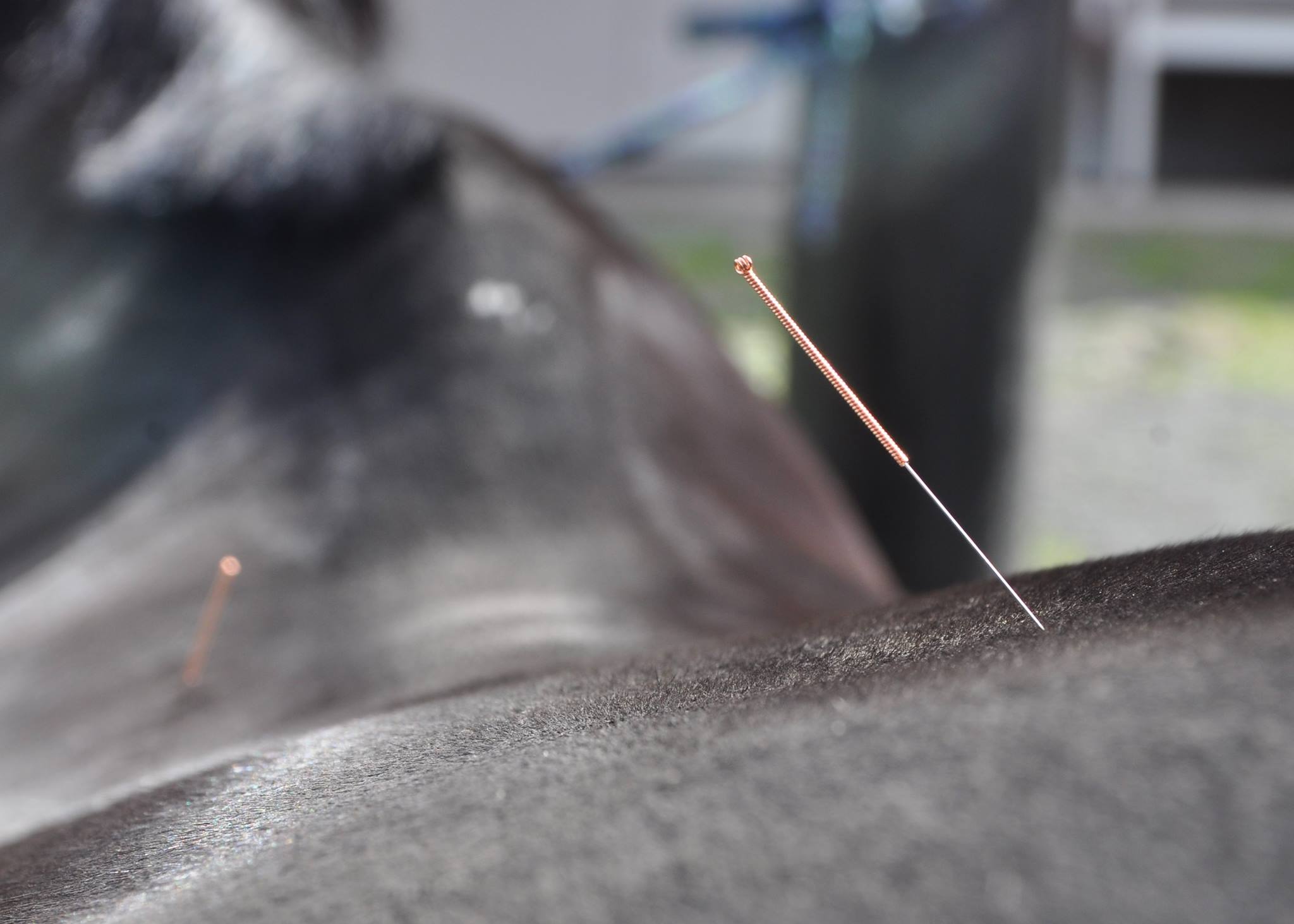
Contrary to what many people believe, acupuncture does more than relieve pain and muscle tension – most horses can benefit from treatment.
New · Horse evenings: the next one is comingPain Relief
Supporting comfort for musculoskeletal issues.
Stress Reduction
Promoting calm and behavioural balance.
Rehabilitation
Adjunct care during recovery periods.
Complementary Care
Works alongside veterinary treatment.
Years of experience
15+
About me
About the Practitioner
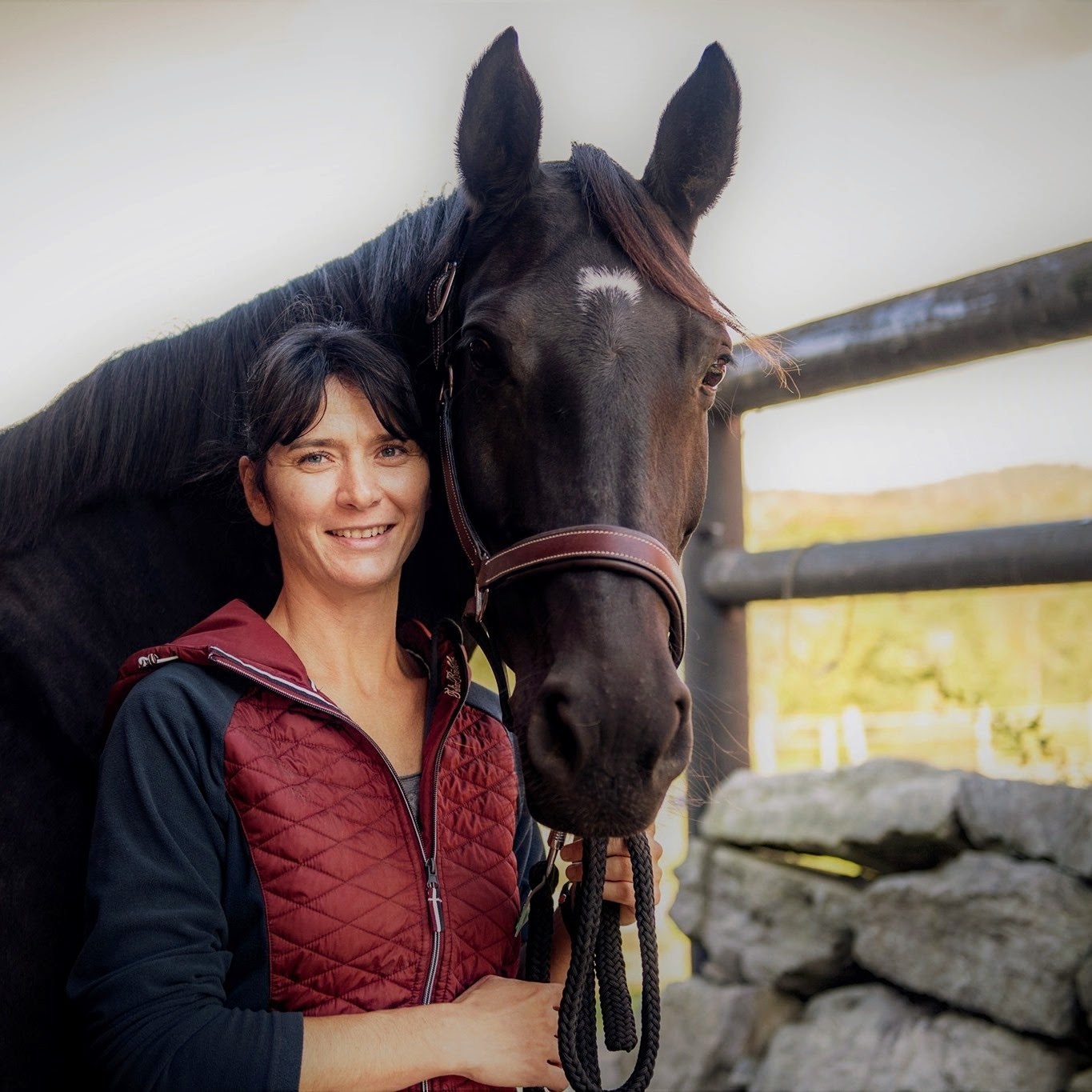
Dr. Manja Baunack is a veterinarian trained in acupuncture, dedicated to improving the wellbeing of horses through calm, evidence-aware care.
- Veterinarian (University of Leipzig, 2007)
- Doctorate in veterinary anaesthesiology & intensive care, 2011
- Further training in veterinary acupuncture (ATF-certified), equine acupuncture practice since 2013
- Own equine acupuncture practice in Lommedalen, Norway since 2016
Overview
Where acupuncture can support your horse
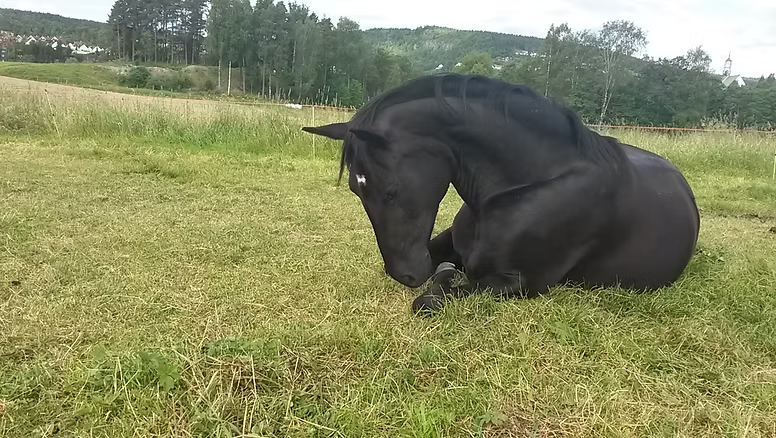
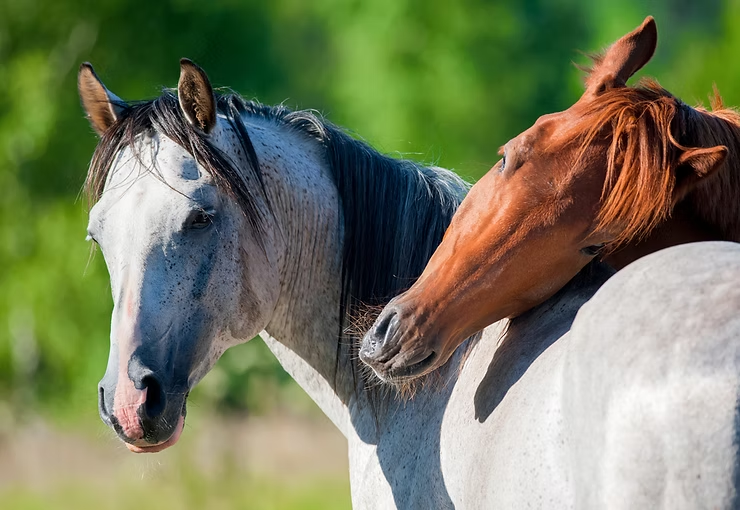
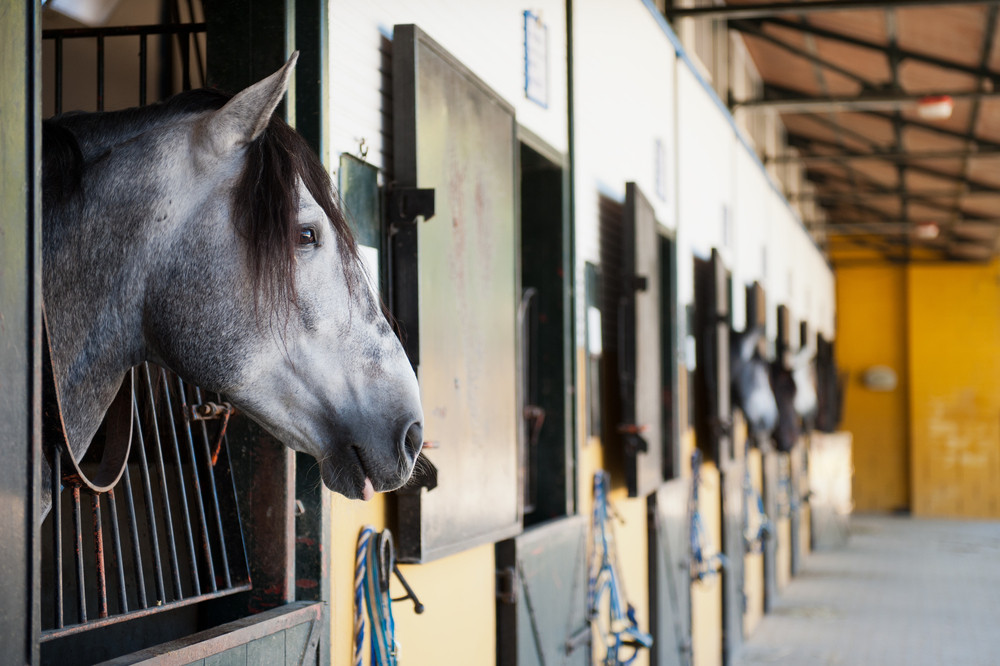
Explore the most common themes where veterinary acupuncture can help – from proactive health care to chronic conditions, rehabilitation, training issues, behaviour and support alongside conventional medicine.
When to use →
Why acupuncture
Acupuncture can be an important tool not only when illness or injury is present, but also for maintaining your horse’s overall health.
0+
Years of experience
0+
Years of equine acupuncture
0
km of travel included
0
Hour stand-down before competition
Treatment process
Treatment Process
This is how I usually work – from the initial conversation with the owner through examination and acupuncture to aftercare and follow-up.
Step
- 01
Conversation with the horse owner
Before I examine the horse I set aside time to talk with you as the owner. We discuss the current problem, previous illnesses and injuries, feeding, management and how the horse behaves in everyday life. As a veterinarian I look at the case both from a Traditional Chinese Medicine perspective and from a conventional medical point of view, and when necessary I recommend further diagnostics such as X-ray or ultrasound.
- 02
Examination of the horse
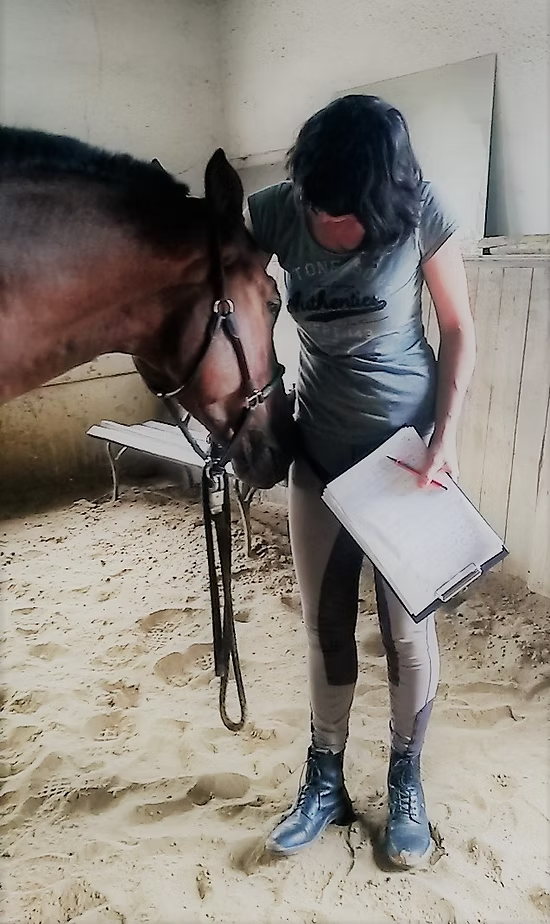
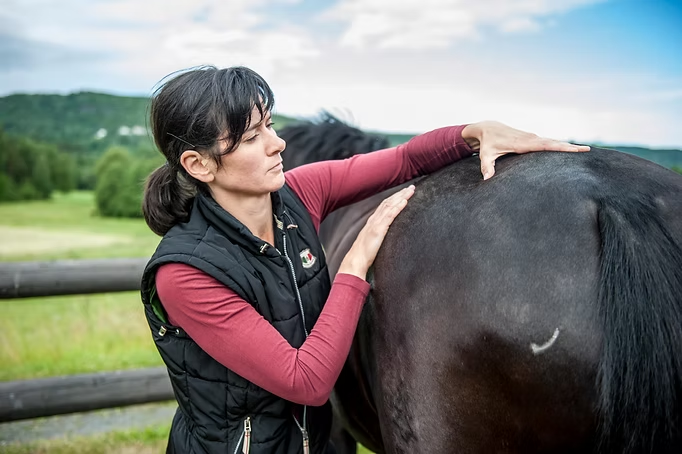
During the examination I look at body condition, coat and general expression, and palpate systematically from head to hoof. Horses often show pain or defensive reactions when sensitive acupuncture points or scar tissue that block energy flow are touched. I also like to see the horse in motion, often on the lunge without saddle or training aids. This gives important information, especially when rideability and performance are part of the problem.
- 03
The acupuncture treatment
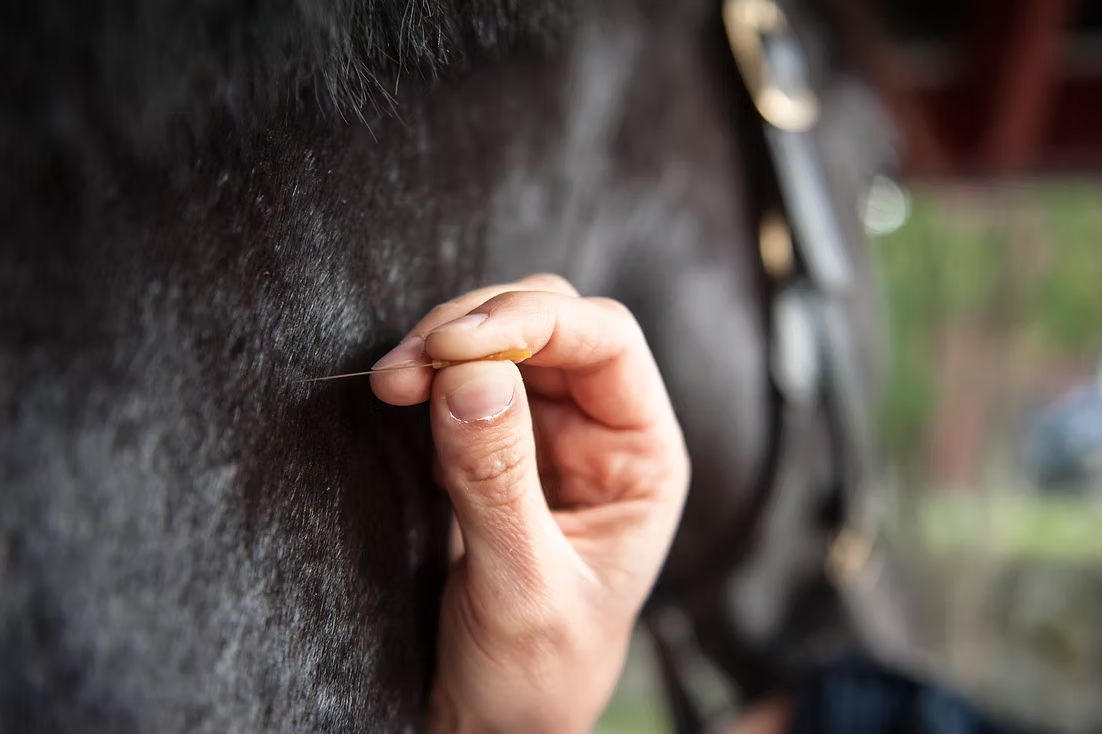
Once we have an overall picture I select acupuncture points tailored to your horse. Fine, sterile needles are placed in 1–6 points that either release underlying blockages or support the body’s own healing processes. The needles usually remain in place for around 20 minutes. Many horses become clearly more relaxed, lowering the head, chewing or yawning; a few may be a little restless at first because of the unfamiliar sensation.
- 04
Aftercare and further measures
On the day of treatment the horse may be worked before, but not after, acupuncture. For the following two days I recommend only light work – the body needs time to respond to the needles. Many horses show changes after the first session, but a series of treatments is usually needed for a stable, long-term effect. The interval is most often 1–2 weeks and is adapted to each individual horse. A temporary worsening of symptoms can occur and is seen as part of the response; please contact me if you are unsure.
- Treatment Process
 Sold out
Hest i livet · horse evenings
An evening for horse people
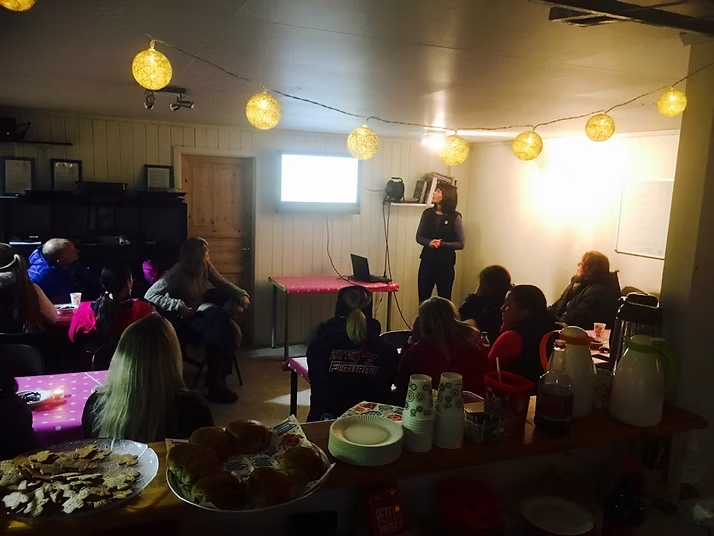
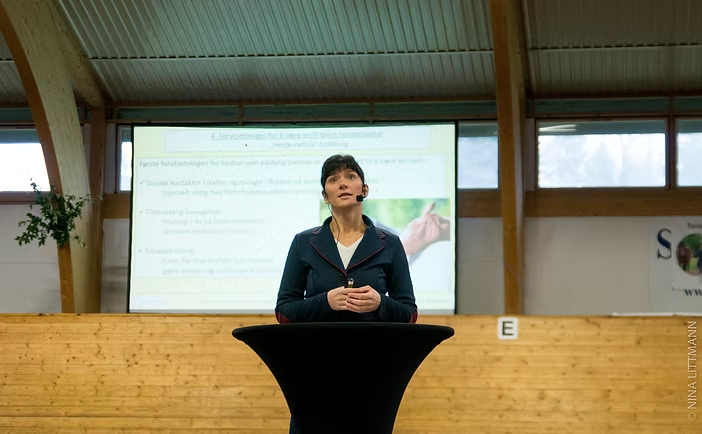
Hest i livet (Horse in life) is a new series of evenings for everyone with a horse in their life. The first one sold out, and the room filled with questions, group work, honest disagreement and a lot of talk in the break.
“I followed a strong gut feeling and a wish from the heart to bring horse people together for an evening that is both pleasant and instructive. It went far beyond all expectations.”
- Fully booked kick-off
- 3 hours of dialogue and group work
- More evenings requested on the spot
Next horse evening
Bring your questions. Leave with new ones.
A relaxed evening with drinks and snacks, a short presentation of themes and questions from everyday practice, and as much dialogue as possible. Ask anything, learn from others, or simply be curious. Topics the group wants more of will become proper talks later on.
- 01Drinks and snacks included
- 02Short presentation, long conversation
- 03Every question welcome, no matter how small
- 04Room to disagree, and learn from it
Places
Limited number of seats
Registration is confirmed when the Vipps request has been paid. Write and you will be first to hear when the next date is set.
Case reports
Case Studies
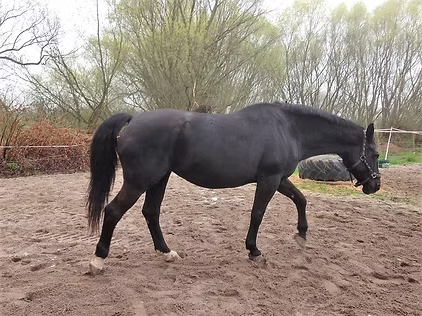
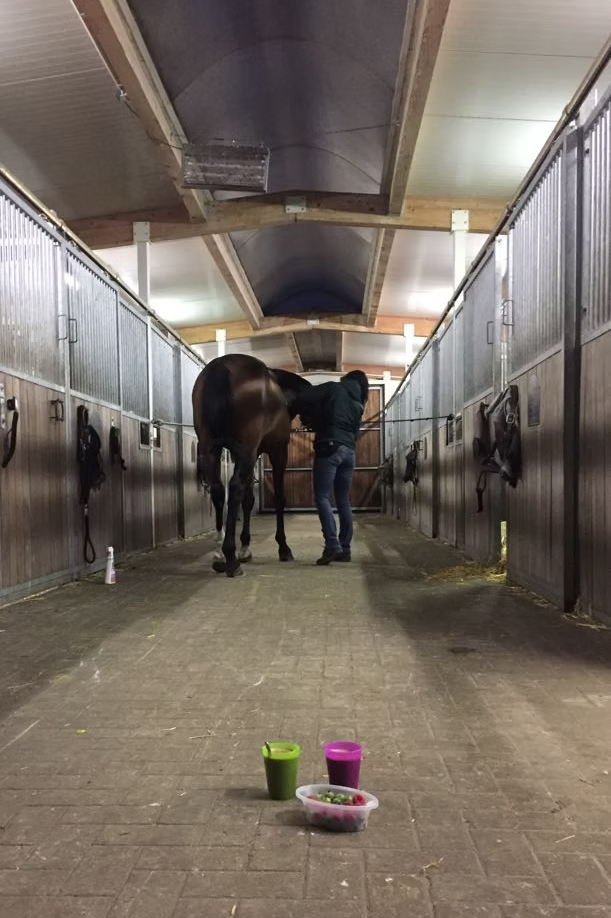
On examination she was initially sceptical and needed a little extra time to relax. I found many muscular tensions and, from the TCM perspective, signs of internal heat and longer-term psychological strain. In this light, the diagnosis of “classic sweet itch” did not seem adequate; instead, many signs pointed to stress and an overtaxed nervous system that expressed itself as severe itching.
“Amalfa” – acupuncture for itching
22-year-old German warmblood mare
Evidence from clinical practice
Science behind equine acupuncture
My approach is grounded in peer-reviewed veterinary research and integrates traditional Chinese veterinary medicine with modern diagnostics and outcome tracking.
A 2022 review in Veterinary Clinics of North America: Equine Practice describes equine acupuncture as a low-risk, cost-effective modality with applications in musculoskeletal, neurologic and internal-medicine cases such as back pain, laminitis, colic, laryngeal hemiplegia and suprascapular neuropathy. The authors highlight a growing body of literature supporting its use in horses, while also stressing the need for more robust, placebo-controlled clinical trials.
Pricing
Pricing
Initial consultation (60–75 min)
(includes an in-depth conversation about your horse’s history)
950kr
VAT included
Follow-up consultation (40–60 min)
750kr
VAT included
Lameness / soundness exam including flexion tests
300kr
VAT included
Prices are independent of the time used – I take the time each horse needs.
- Travel within 20 km of Lommedalen is included.
- Travel costs beyond 20 km are shared between clients.
- Discount by agreement when treating several horses at the same yard.